Category: Gadgets

  • OnePlus 13 Series to Arrive in India on January 7: What to Expect?

    OnePlus 13 Series to Arrive in India on January 7: What to Expect?

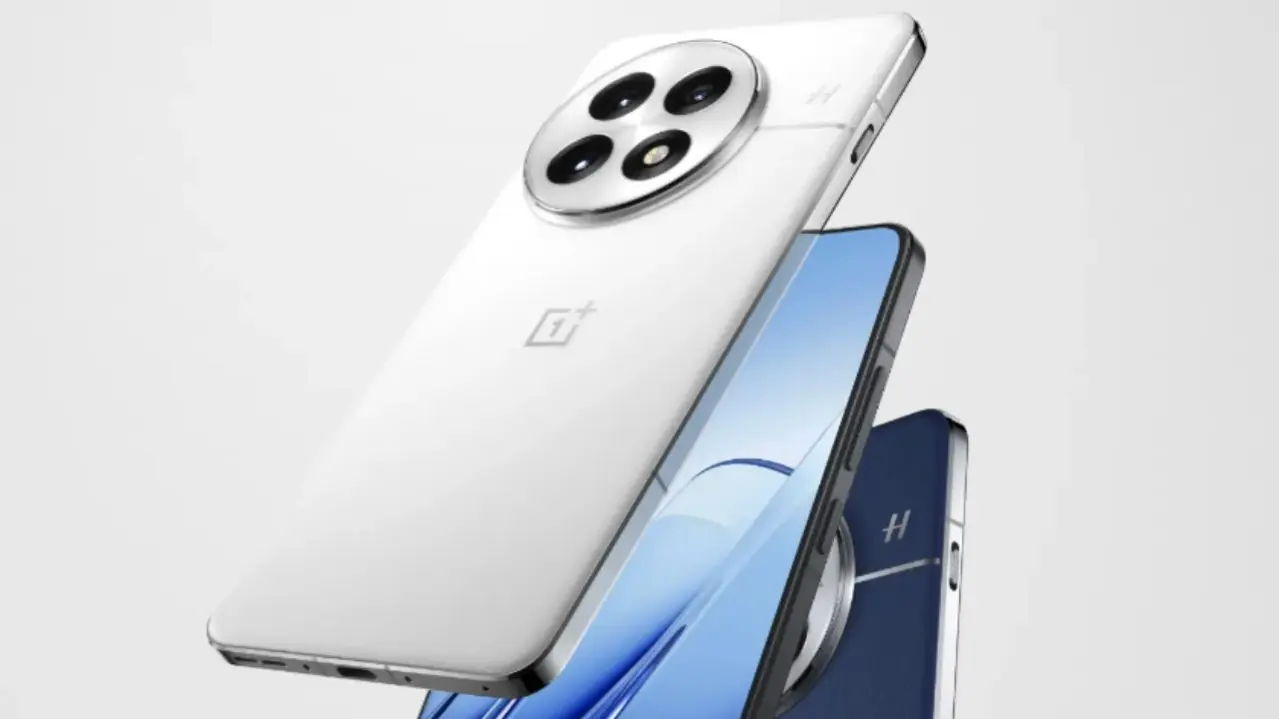
    OnePlus 13 Series launch: OnePlus is set to host its Winter Launch Event in India on January 7. At the event, the company will launch the OnePlus 13 series smartphones, which will include the OnePlus 13 5G and the OnePlus 13R 5G.

    While the company has already launched the OnePlus 13 5G in China, it is yet to launch the OnePlus Ace 5 or the OnePlus Ace 5 Pro, one of which is expected to arrive as the OnePlus 13R in India.

    Ahead of the January 7 launch event, here is everything to know about the OnePlus 13 Series smartphones:

    OnePlus 13 5G: What to expect?

    OnePlus has already confirmed a host of details about the OnePlus 13 5G ahead of its launch in India. For instance, we know that the phone will arrive in three colour variants — Midnight Ocean with vegan leather finish, Black Eclipse and Artic Dawn. The company has also revealed that the smartphone will be powered Qualcomm’s Snapdragon 8 Elite chipset that was launched at Qualcomm’s flagship event in Hawaii back in October this year.

    In addition to these features, the OnePlus 13 5G will come a big battery with a capacity of 6,000mAh and have IP69 and IP68 dust and water protection on the front and at the back. The company has also revealed that the upcoming smartphone will run Android 15-based OxygenOS 15 and come with a Clear Burst mode, which the company says will capture fast-motion images clearly.

    As mentioned before, the company has already launched the OnePlus 13 in China, which sports a 6.82-inch OLED display with a dynamic screen refresh rate of 120Hz and a 1440p resolution. It is powered by the Snapdragon 8 Lite that is coupled with up to 1TB of storage space and a 6,000mAh battery. On the camera front, the phone gets a 50MP triple camera setup at the back and a 32MP camera in the front.

    OnePlus is expected to bring the phone with same features to India and its global markets.

    On the pricing front, the OnePlus 13 5G is expected to be priced around Rs 60,000 in India.

    OnePlus 13R 5G: What to expect?

    Coming to the OnePlus 13R, the company has confirmed that this smartphone will come in Nebula Noir and Astral Trail colour variants. It has also confirmed that the phone will be powered by the Qualcomm Snapdragon 8 Gen 3 chipset, which is the same chip that powers the OnePlus 12 smartphone. It will also sport a 6,000mAh battery and run Android 15-based OxygenOS 15.

    As per reports, OnePlus is expected to bring the OnePlus Ace 5 as the OnePlus 13R in India. This smartphone is expected to get a 6.78-inch OLED display with a resolution of 1.5K. It is likely to get a 50MP + 8MP + 2MP camera setup at the back. It is also likely to come with an in-display fingerprint sensor.

    As far as the pricing is concerned, the OnePlus 13R is expected to be priced around Rs 40,000.

  • Apple’s Zero-Bezel iPhone is Not Arriving in 2026: Report

    Apple’s Zero-Bezel iPhone is Not Arriving in 2026: Report

    Apple has been trying to reduce the bezels in its iPhone models for long time. Reports in the past have hinted towards the company introducing a bezel-less iPhone or a zero-bezel iPhone in 2026. But a new report hints towards this timeline getting pushed ahead. This means that the iPhone 18 is unlikely to come with a zero-bezel design as reports have hinted to in the past.

    According to a report by Korean Publication the Elec, Apple is working on developing a zero-bezel iPhone that maintains the design language of the existing iPhone models, which includes a flat display with angular sides, while extending the screen over to the edges. This design is similar to the Apple Watch design, and it is known for its pebble-like aesthetics.

    This requirement makes it necessary for suppliers of iPhone’s displays, LG and Samsung, to adopt two technologies — Thin Film Encapsulation (TFE) and Optical Clear Adhesive (OCA). TFE, as per the report, protects the display from environmental damage, while the OCA is used bonding transparent adhesive films around curved edges. In addition to implementing these two technologies, Apple’s display suppliers also need to ensure that there is ample space for other components such as the antenna.

    The report also says that the adoption of the OCA technology has been difficult as the two companies have not been able to resolve the lateral vision distortion issue. The companies also need to make the display more durable especially when the display overflows to the side of the iPhone.  

    Company insiders told the publication that in order to mass produce the zero-bezel displays in 2026, final details with the manufacturers should have been finalised by now. However, the companies are still discussing the details, which indicates that Apple is unlikely to introduce a zero-bezel iPhone in 2026.

    Separately, reports suggest that the company could launch its first foldable display iPhone in the second half of 2026 and that Apple’s entry in this market segment is likely to drive sales at a time when the foldables market is witnessing a slowdown.  

  • OnePlus Ace 5 Makes a Debut, Likely to Arrive in India as OnePlus 13R

    OnePlus Ace 5 Makes a Debut, Likely to Arrive in India as OnePlus 13R

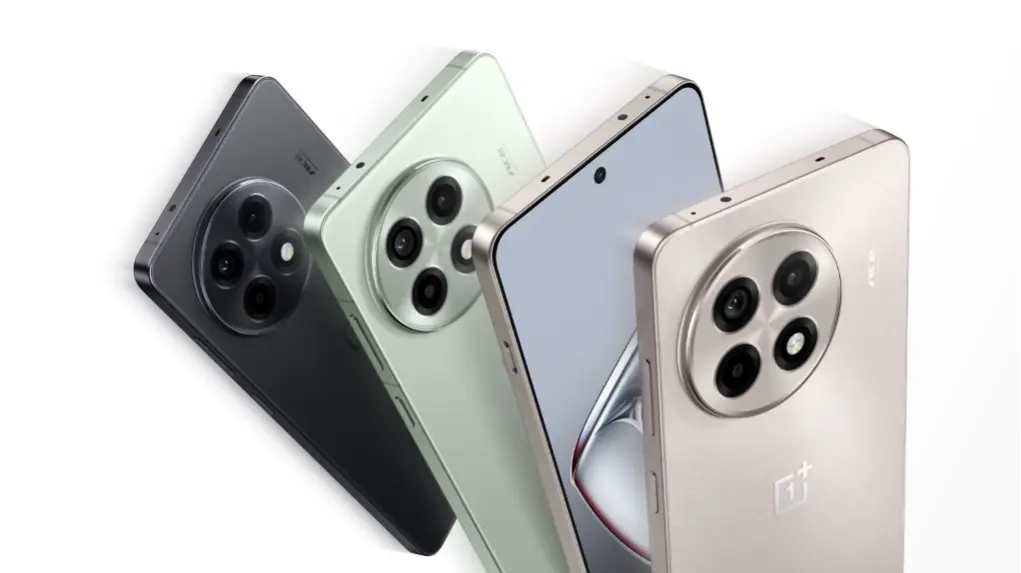
    OnePlus today debuted the OnePlus Ace 5 Series smartphones. The OnePlus Ace 5 series includes two models — the OnePlus Ace 5 Pro and the OnePlus Ace 5, which is expected to arrive in India as the OnePlus 13R next month.

    For the unversed, OnePlus will be hosting a special event in India on January 7 wherein the company will launch the OnePlus 13 series smartphones, which will include the more premium OnePlus 13 5G and the OnePlus 13R 5G smartphones.

    Both these smartphones will come with a 6,000mAh battery and run Android 15-based OxygenOS 15 update. While the OnePlus 13 will be powered by Qualcomm Snapdragon 8 Elite chipset, the OnePlus 13R will be powered by the Snapdragon 8 Gen 3 chip that was available in the OnePlus 12 smartphone.

    Ahead of OnePlus’ Winter Launch Event, here is everything we know about the OnePlus Ace 5 smartphone, which is expected to arrive in India as the OnePlus 13R:

    OnePlus Ace 5 features

    The OnePlus Ace 5 comes with a 6.78-inch AMOLED display with a dynamic screen refresh rate of up to 120Hz and a peak brightness of up to 4,500 nits. It also comes with an in-display fingerprint sensor. It is powered by the Snapdragon 8 Gen 3 chipset with up to 16GB of LPDDR5X RAM and up to 1TB of UFS 4.0 storage.

    The OnePlus Ace 5 has a triple rear camera setup, which includes a 50MP lens with Sony IMX 906 sensor, an 8MP ultra-wide-angle lens with Sony IMX 355 sensor and a 2MP macro lens. On the front, it has a 16MP lens with Sony IMX 480 sensor. It is backed by a 6,415mAh battery with 80W SuperVOOC fast charging support.

    OnePlus Ace 5 Pro features

    OnePlus also introduced the OnePlus Ace 5 Pro smartphone. This smartphone has the same display and camera system as the OnePlus Ace 5, but it differs in terms of the processor and battery backup.

    The OnePlus Ace 5 Pro is powered by the Qualcomm Snapdragon 8 Elite chipset and it is backed by a 6,100mAh battery with 100W SuperVOOC fast charging support.

  • Lava Yuva 2 5G Budget Smartphones Arrives in India with 50MP Camera

    Lava Yuva 2 5G Budget Smartphones Arrives in India with 50MP Camera

    Lava Yuva 2 5G India launch: Indian smartphone company, Lava, today launched a new budget 5G smartphone in India. The Yuva 2 5G comes with a 50MP camera and a 5,000mAh battery. Lava’s newly launched smartphone competes with the likes of the Moto G35 5G, Tecno Spark 30C 5G, Redmi 13C 5G and the Realme Narzo N65 5G in India, all of which provide 5G connectivity under a price point of Rs 10,000.

    Lava Yuva 2 5G India price and availability

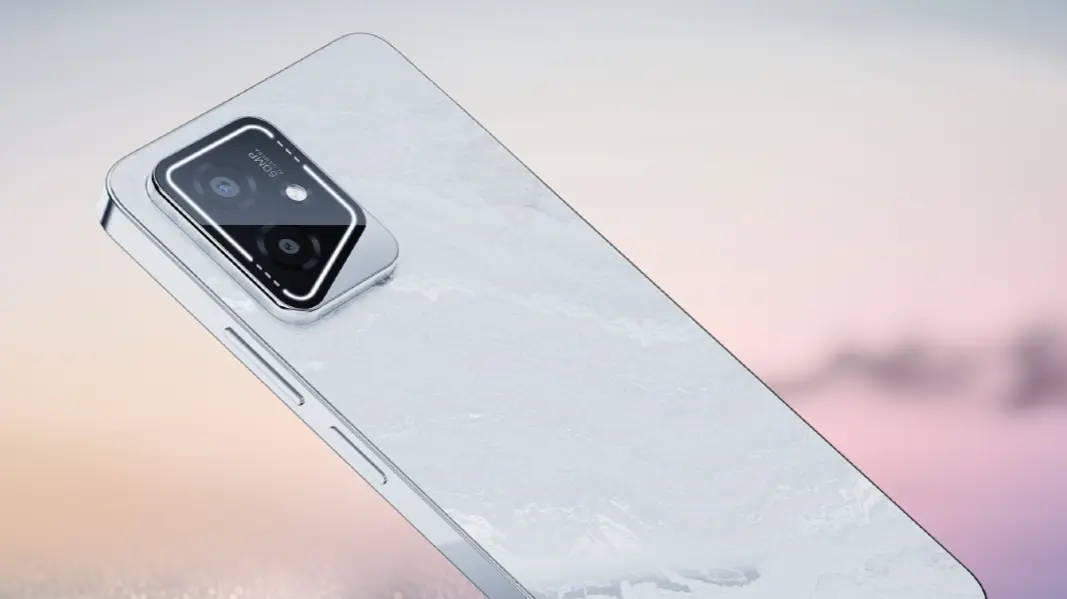
    The Lava Yuva 2 5G comes with ‘premium marble finish’ and it is available in Black and White colour variants. It costs Rs 9,499 for the single variant with 4GB of RAM and 128GB of storage space. Interested buyers can buy this budget smartphone from retail outlets across the country.

    Lava Yuva 2 5G Features

    The newly launched Lava Yuva 2 5G smartphone comes with a 6.67-inch HD+ LCD display with a resolution of 1612 x 720 pixels, a screen refresh rate of 90Hz and a peak brightness of 700 nits.

    It is powered by the 6nm Unisoc T760 chipset that is coupled with Mali G57 GPU. This chip is coupled with 4GB of LPDDR4x RAM and 128GB of UFS 2.2 storage space. Buyers can expand its storage space by up to 512GB using a microSD card. The Lava Yuva 2 5G runs Android 14 mobile operating system.

    Coming to the camera, the Lava Yuva 5G sports a dual camera setup at the back, which includes a 50MP camera with f/1.8 aperture, and a 2MP AI camera with LED flash. On the front, it has an 8MP camera.

    It has a side-mounted fingerprint sensor at the back and a 3.5mm audio jack with stereo speakers. On the connectivity front, it has 5G support along with 4G VoLTE, Wi-Fi, Bluetooth 5.2, GPS and USB Type-C.

    The Lava Yuva 2 5G is backed by a 5,000mAh battery with support for 18W charging technology.

  • iPhone 16 Plus Review: Smart gets Smarter

    iPhone 16 Plus Review: Smart gets Smarter

    iPhones have always been trendsetters in the smartphone industry. Be it ditching the charger, for which Samsung had mocked the company at the time, or introducing the Dynamic Island notch or the Face ID, Apple’s smartphones have introduced features that have been copied by Android smartphones across price points. But this year was different. Apple, instead of setting a new trend, followed Android phones in introducing a feature that has upgraded the terminology used by the mobile phone industry — artificial intelligence or AI.

    For those who have been away from the news world, Apple brought AI, or as the company likes to call it Apple Intelligence, to its iPhone models for the first time this year. However, in classic Apple fashion, the company didn’t restrict itself to throwing features such as AI Eraser, AI Summary and AI Deblur or bringing ‘native support’ for ChatGPT app to its iPhones. Instead, it went a step ahead by integrating ChatGPT in its operating system. Result was an app such as Image Playground that let users create images from scratch and smarter features such as contextual and on-screen awareness for Siri and ChatGPT integration within Apple’s apps and services — besides bringing AI eraser and AI summary to the mix.

    While these features do bring Apple’s iPhones up to date with the existing trends in the smartphone industry, they also make you wonder if ‘AI phones’ have a utility over the existing smartphones, barring some features, of course. We will try to answer that question and many more in our detailed review of the iPhone 16 Plus below, so keep reading!

    iPhone 16 Plus: Specifications

    Display: 6.7-inch Super Retina XDR OLED display with a resolution of 2796 x 1290 pixels and 2,000 nits of peak brightness

    Processor and Storage: Apple’s A18 chip with up to 512GB of storage space

    Camera: 48MP Fusion + 12MP Ultra-Wide cameras at the back, 12MP TrueDepth camera in the front

    Connectivity: 5G, Wi-Fi 7, Bluetooth 5.3, GPS, and NFC

    AI Features: Apple Intelligence, Siri

    Audio: Spatial Audio Playback, Dolby Atmos support

    Battery: Up to 27 hours of video playback support

    Colours: Ultramarine, White, Black, Teal, Pink

    Price: Rs 89,900 for 128GB variant, Rs 99,900 for 256GB variant and Rs 119,900 for 512GB variant

    iPhone 16 Plus Design: Same but Different

    The iPhone 16 Plus looks and feels almost like last year’s iPhone 15 Plus, which means you get the same classic flat-screen piece of glass that is encased in an aluminum chassis. Despite the similarity in the overall design, there are some subtle and some not-so-subtle changes that Apple has made this year.

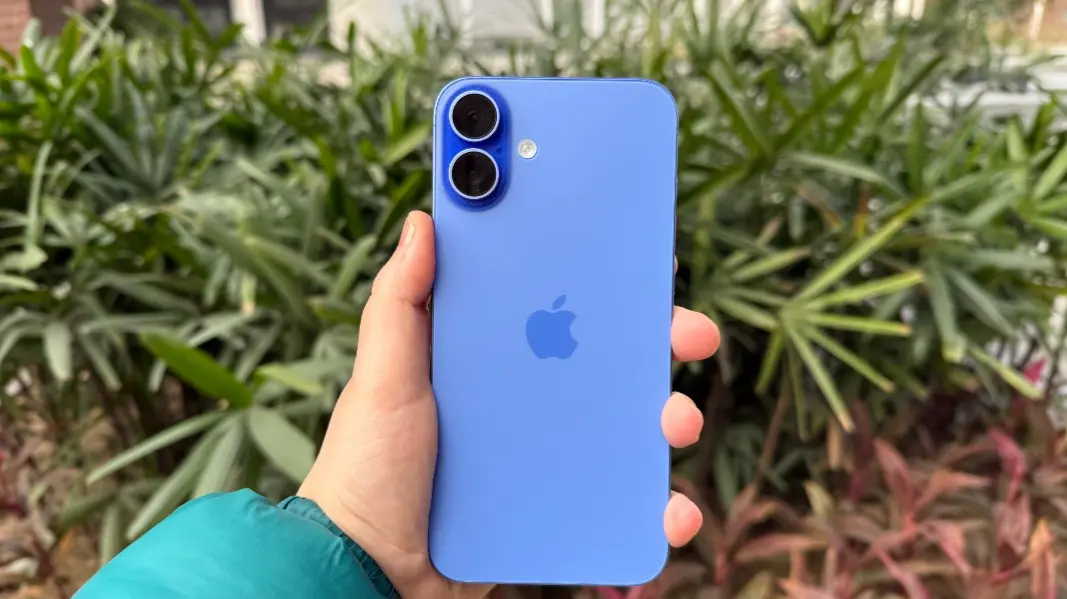
    For instance, Apple has made the rear camera module a tad bit slimmer this year. The iPhone 15 Plus came with a square-shaped camera module. On the other hand, the iPhone 16 Plus comes with a pill-shaped camera module. While it doesn’t make a world of difference, at least not in terms of any practical aspect, it does look a bit cleaner in terms of the overall aesthetics. Nothing major.

    An area where the company has made a major change is in terms of the side buttons. The iPhone 16 Plus has a new camera button on the right side, something that is exclusive to the iPhone 16 series, and an Action Button, which replaces the Ring/Silent slider and was available only in the iPhone 15 Pro models. Both these buttons make a noticeable change in the way this smartphone is used.

    For starters, the Action Button can be anything you want it to be — Silent button, Camera, Flashlight, Voice Memo, Translator or a Magnifier to name a few. You can also set it to access a control of your choice with a single click — making it one of the most important features that Apple has introduced in its iPhones this year. 

    The camera button, on the other hand, is a tricky one. Sure, it is designed to make it easier for users to click images in landscape mode, but it also gives them access to a host of other controls such as Tone, Style, Camera, Zoom, Exposure and Depth, which is where it can get a bit confusing. What Apple is trying to do with the camera button is change its users’ habits, which takes time and patience. So, what might seem unnecessary today might become a necessity tomorrow. Simply put, it does take time for you to get used to using the Camera button, especially beyond the Click and Capture functionality.

    iPhone 16 Plus Display: Don’t Fix What’s Not Broken

    Next up, is the display.

    Apple has followed the ‘don’t fix what’s not broken’ strategy when it comes to the display of its iPhone 16 Plus model. This means with the iPhone 16 Plus, you get the same display technology as last year’s iPhone 15 Plus. Well, almost.

    But what does that mean? It means that the screen is bright and the colours are vibrant no matter what the daylight conditions are. Whether you are scrolling through your social media feed when the lights are out or you are reading an important email under the harsh Delhi sun, the display is comfortable to read at all times. The bigger screen (compared to the iPhone 16) makes watching TV shows and movies a pleasure. This iPhone model, like its predecessor, supports HDR technology, which is ideal for watching TV shows and movies on Netflix.

    Now the part that is different. Unlike the iPhone 15 Plus, Apple’s iPhone 16 Plus model supports a minimum brightness of 1 nit. This brings true black colours to your screen. But more than that, it ensures that you can use your iPhone in the dark without disturbing people around you.

    iPhone 16 Plus Performance: Smooth and Useful

    Let’s talk about the iPhone 16 Plus experience now.

    Apple has been shipping its ‘Plus’ iPhone model with the chip available in its year-old Pro models since it launched the iPhone 14 series back in 2022. However, this year, the company strayed away from this trend by launching the iPhone 16 Plus with the updated A18 chipset while keeping the A18 Pro chip to its iPhone 16 Pro models. This marks one of the biggest upgrades that the company has brought to its base level iPhone models, which includes the iPhone 16 Plus.

    Apple says that the CPU of its A18 chip is 30 percent faster and power-efficient than the A16 Bionic. In effect, the iPhone 16 Plus is quick to respond to anything that you throw at it and it handles everything with grace and poise – nothing you don’t expect an iPhone to do. But the real game-changer here is the iOS 18, which brings tons of customisation options to the iPhone 16 Plus – a factor that has been a point of constant comparison with the Android OS.

    With iOS 18, iPhone 16 Plus users can customise their Home Screen in a way that accentuates their wallpaper, choose the colour and size of the app icons, access apps and tools more easily through Control Centre and even choose exactly what they want to do with the Action Button. Apple’s new mobile OS also helps iPhone 16 Plus users sort through their photos by grouping them into meaningful collections based on dates, people and places among other things.

    In addition to this, iOS 18 has also upgraded the Phone app with features such as transcription for live calls and native call recorder support — another factor that has remained a pain point for iPhone users for a long time. Simply put, the iPhone 16 Plus with iOS 18 is a power performer and a game changer.

    iPhone 16 Plus Apple Intelligence: Something is Better than Nothing?

    iOS 18 also brings Apple Intelligence to the iPhone 16 Plus – a feature that marks Apple’s foray in the era of AI (artificial intelligence) phones. 

    Apple has always been good at weaving in utilitarian tools (Password Sharing, Share Play, and Name Drop to name a few) in its mobile OS that are thoughtful, especially from the day-to-day usage perspective of the end user. These tools make using iPhones an intuitive experience. They also make the end users come back to iPhones and Apple’s ecosystem generation after generation. With Apple Intelligence, Apple has tried to replicate the same trend. 

    For instance, you get Genmojis that let users create emojis of their choice using AI, Image Playground app that lets users create images based on text-based prompts, Image Editing tools in the Photos app that bring features like AI eraser to the users, and the Writing Tools that let users proofread, rewrite and even write text from scratch all thanks to Apple’s ChatGPT integration.

    While these tools bring the intelligence that iOS is known for, they are not as refined as they should be, especially given the recent advancements in AI and ML. To give you some context, Apple’s Image Playground app isn’t exactly user friendly and images that it reproduces aren’t as refined as the one produced by other AI tools, such as Meta AI and Copilot in Microsoft’s Edge browser, that are also available for free. A lot of times, the app also fails to create relevant images. Then there are the writing tools. While the proofreads are fine, the tool isn’t exactly articulate when it comes to original work. On the other hand, features such as Genmoji, AI Eraser and natural language support, work just fine.

    The story doesn’t end there. Apple is yet to roll out a host of Apple Intelligence powered tools, such as on-screen understanding and contextual awareness for Siri among others, that will make using AI or Apple Intelligence more natural.

    The point here is that Apple needs to refine its AI tools a lot in order to catch up to the existing technology.

    iPhone 16 Plus Battery: It’s gets Better

    Apple doesn’t disclose the battery capacity of its iPhone models. What it does share is the stats under various usage conditions, which gives you a rough idea as to whether or not the company has increased the battery capacity of its iPhone model. For instance, the iPhone 16 Plus offers up to 27 hours of video playback time when the video is stored on-device and up to 24 hours of time when the video is streamed, which is slightly more than what the company offers in case of the iPhone 15 Plus.

    In usage, the iPhone 16 Plus offers a long battery life that will easily last for a day-and-a-half on day-to-day usage, which includes 1-2 hours of OTT time and 3-4 hours of social media time. And over the weekend, when the usage decreases significantly, the battery can also last up to almost two days. But of course, this time varies based on individual usage.

    iPhone 16 Plus Camera: It’s Different? No.

    Apple hasn’t made any major changes to the camera of the iPhone 16 Plus. This means you get the same 48MP primary camera at the back with an aperture of f/1.6 and a 12MP ultra-wide-angle camera, which gets a slightly faster aperture of f2.2 — the only change Apple has made to the rear camera module this year. On the front, the iPhone 16 Plus still gets a 12MP camera with a f/1.9 aperture. While the company hasn’t made many changes on the hardware front, it has thrown a bunch of features such as spatial photos, spatial videos and wind noise reduction to the mix, to make it a bit lucrative for the buyers. Nothing ground-breaking though.

    In usage, the iPhone does a fairly good job at capturing images under various lighting conditions. Both the primary and the ultra-wide-angle cameras maintain colours, clarity and details while capturing images in low-light conditions. There is minimum noise when capturing the night sky and Apple’s camera algorithm does a decent job at enhancing the subject or the light source. 

    When there is ample light, the camera manages to capture small details with great precision while offering a decent dynamic range. Same is the case with colour reproduction. The front-facing camera is equally adept at capturing images under various lighting conditions. It manages to preserve colours and details while capably distinguishing between each disheveled strand of hair efficiently.

    The ground-breaking or at least the upgraded part this year is the Camera app that offers easy access to in-app camera filter menu. Menu, because the iPhone 16 Plus users can now customise the effect that they want to use using a touchpad-looking menu. An even bigger update is the Camera button on the right side that takes some time getting used to. This camera button gives users access to granular camera controls such as exposure, depth, zoom, cameras, styles and tones. While the controls offered by the Camera button give users enough room to play around while capturing images and videos, don’t expect to use it with a single hand, at least not right away, as Apple shows in its ads. 

    iPhone 16 Plus Conclusion: Should you buy the iPhone 16 Plus or not?

    To answer the question in one word: Yes. 

    The non-Pro iPhone models usually fall short in offering potential buyers a meaningful upgrade to their old smartphones or in many cases iPhones. A slightly dated processor along with Apple’s strategy of reserving its new features for the Pro iPhone models make the non-Pro iPhone models a less lucrative buy. However, Apple changed that with the iPhone 16 Plus. 

    The iPhone 16 Plus not only comes with the Camera and Action buttons but also one of Apple’s most hyped features this year, that is, Apple Intelligence. Sure, the company hasn’t made any major changes to the camera system but the quirky features that the company has included this time more than make up for it. Also, Apple Intelligence does need a lot of refining but that is not restricted to iPhone 16 Plus.

    All in all, the iPhone 16 Plus offers the most ‘purchase-worthy’ upgrades to iPhones yet.